Our History
Our Ministers
There have been thirteen inducted ministers in our Church’s long history, since the first minister, Rev. T.G. Molyneux, was called to St Andrew’s in 1886.


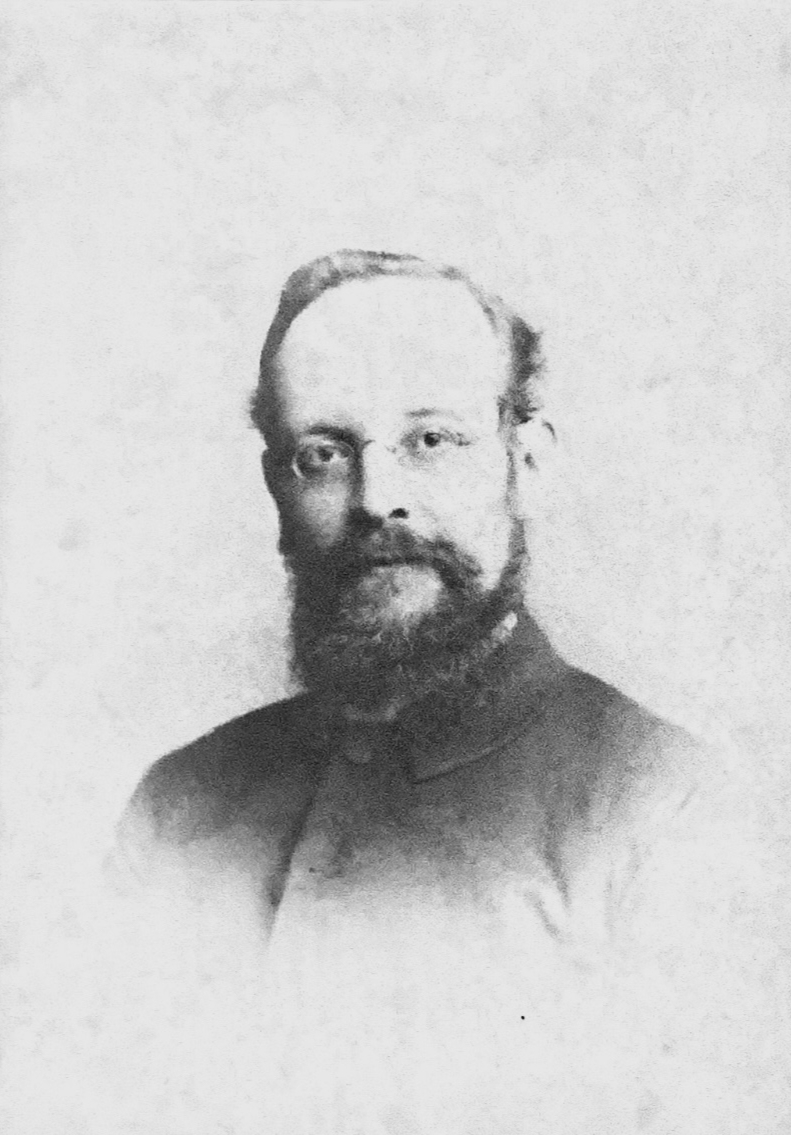
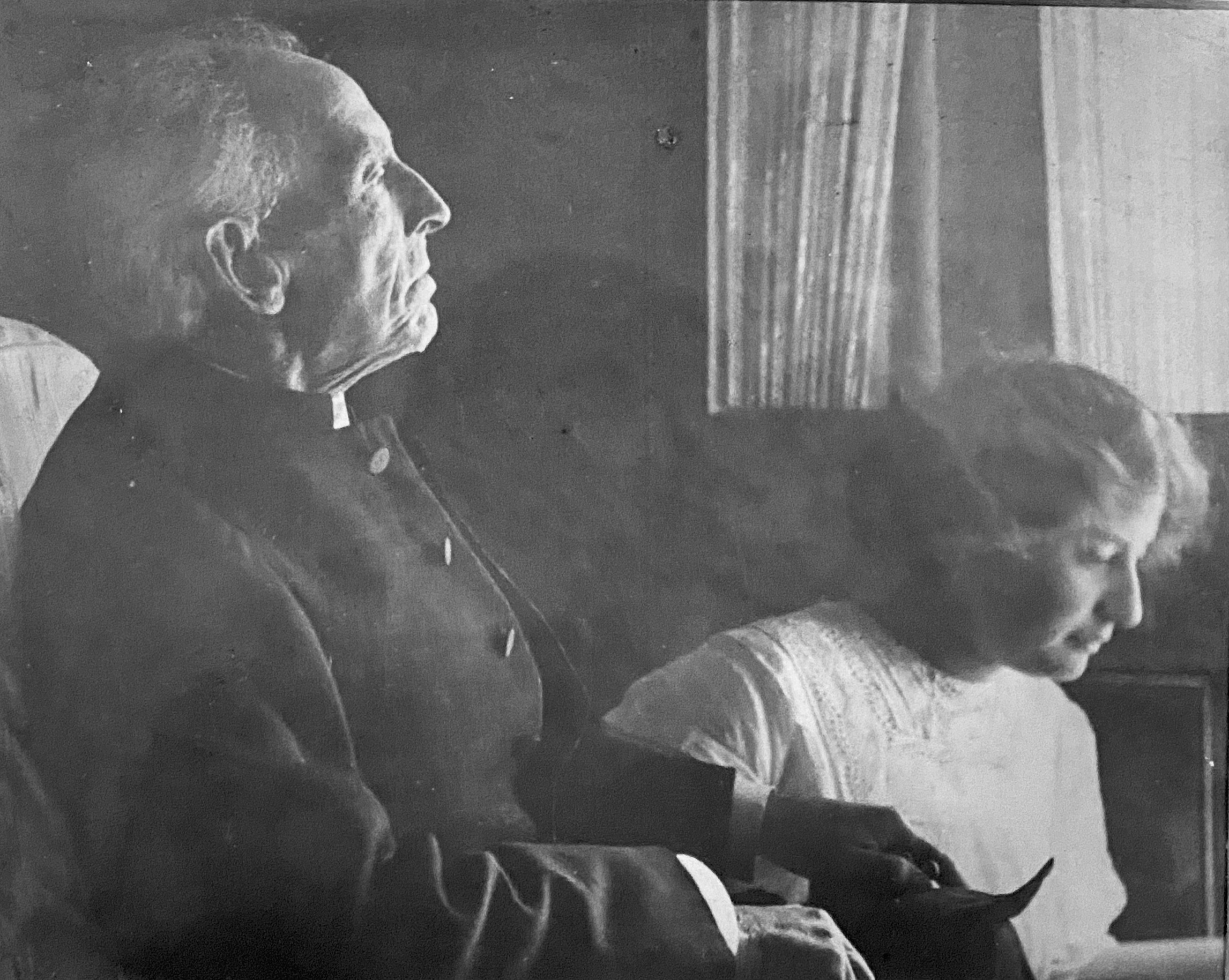
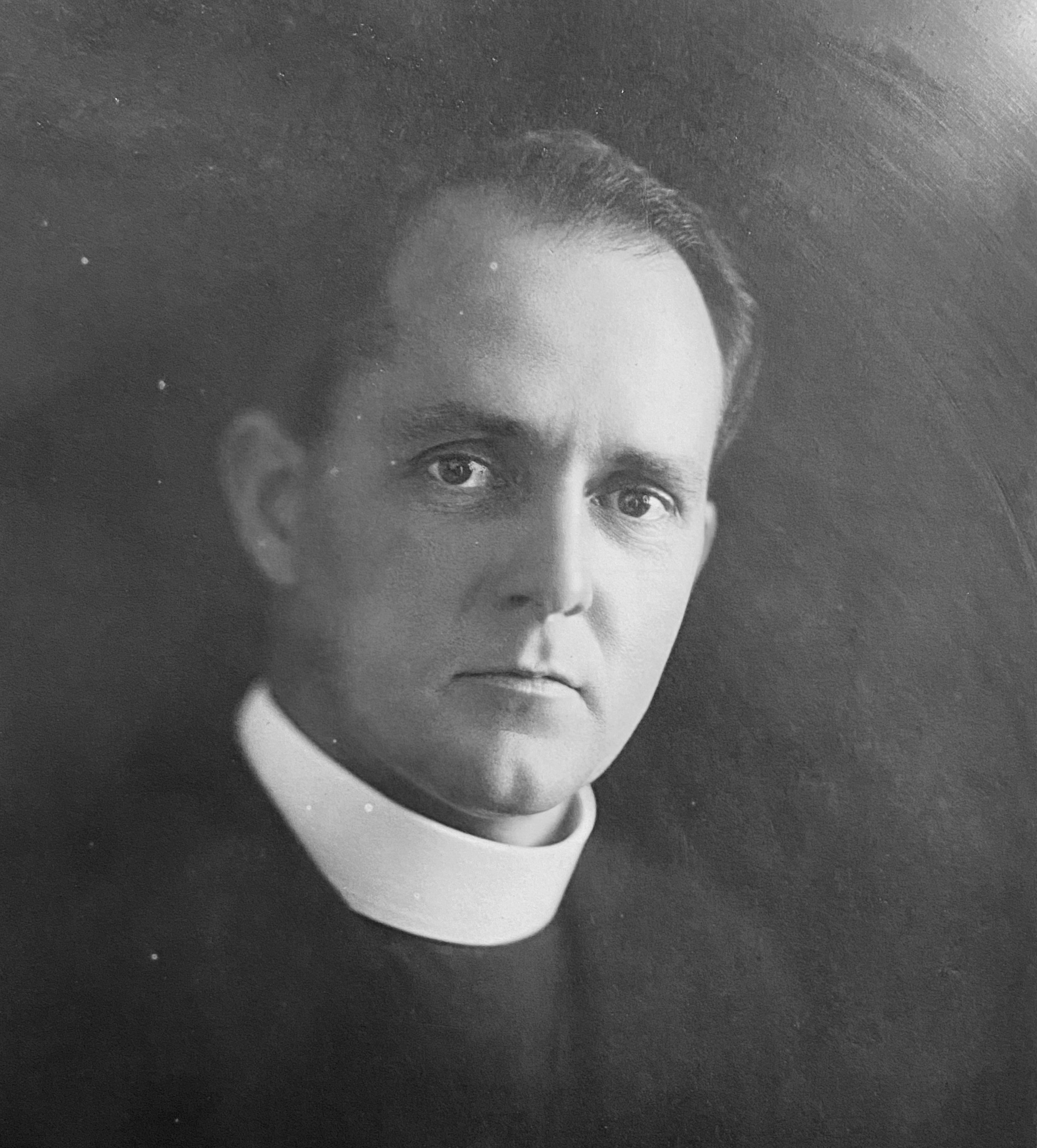
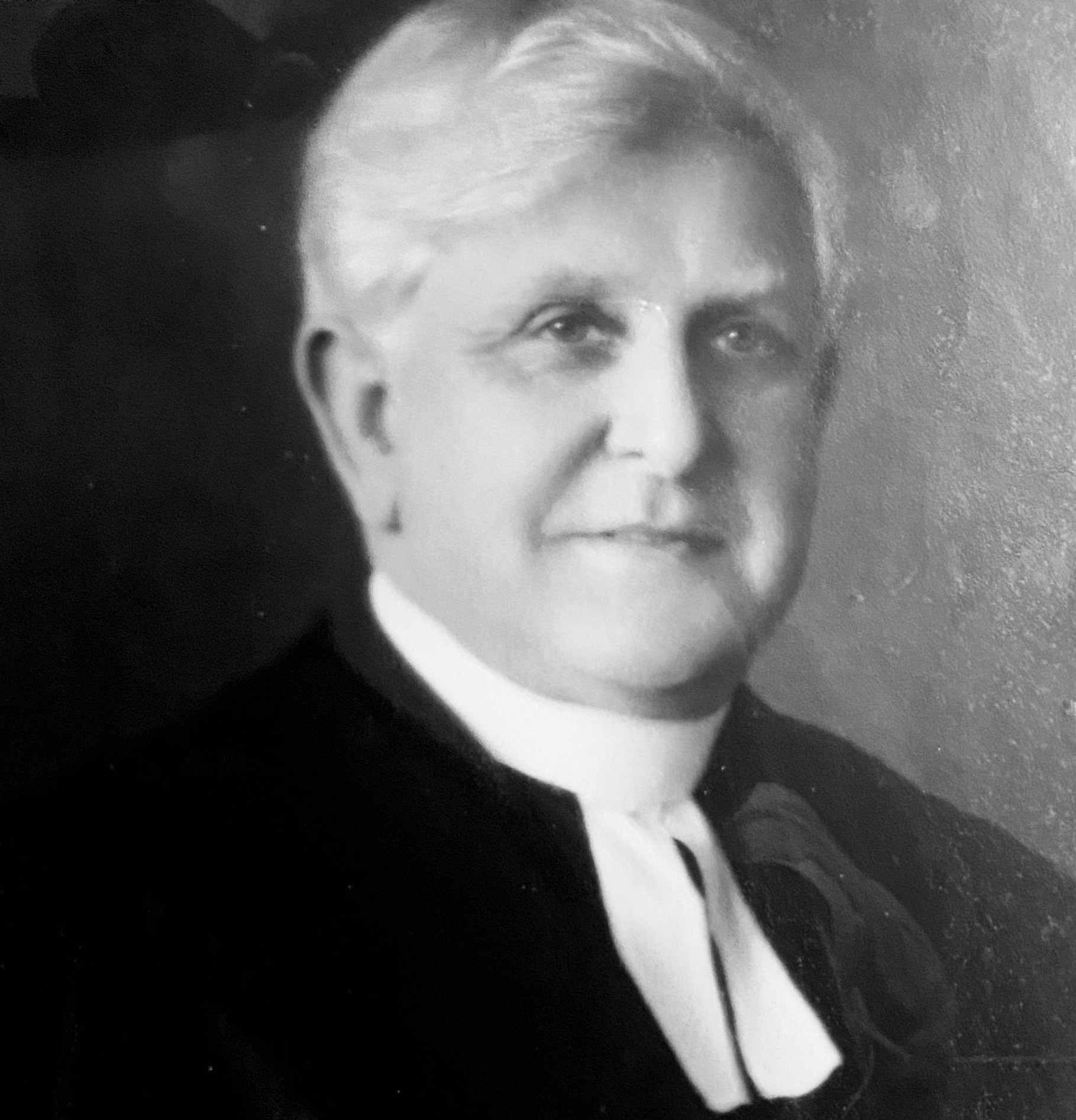
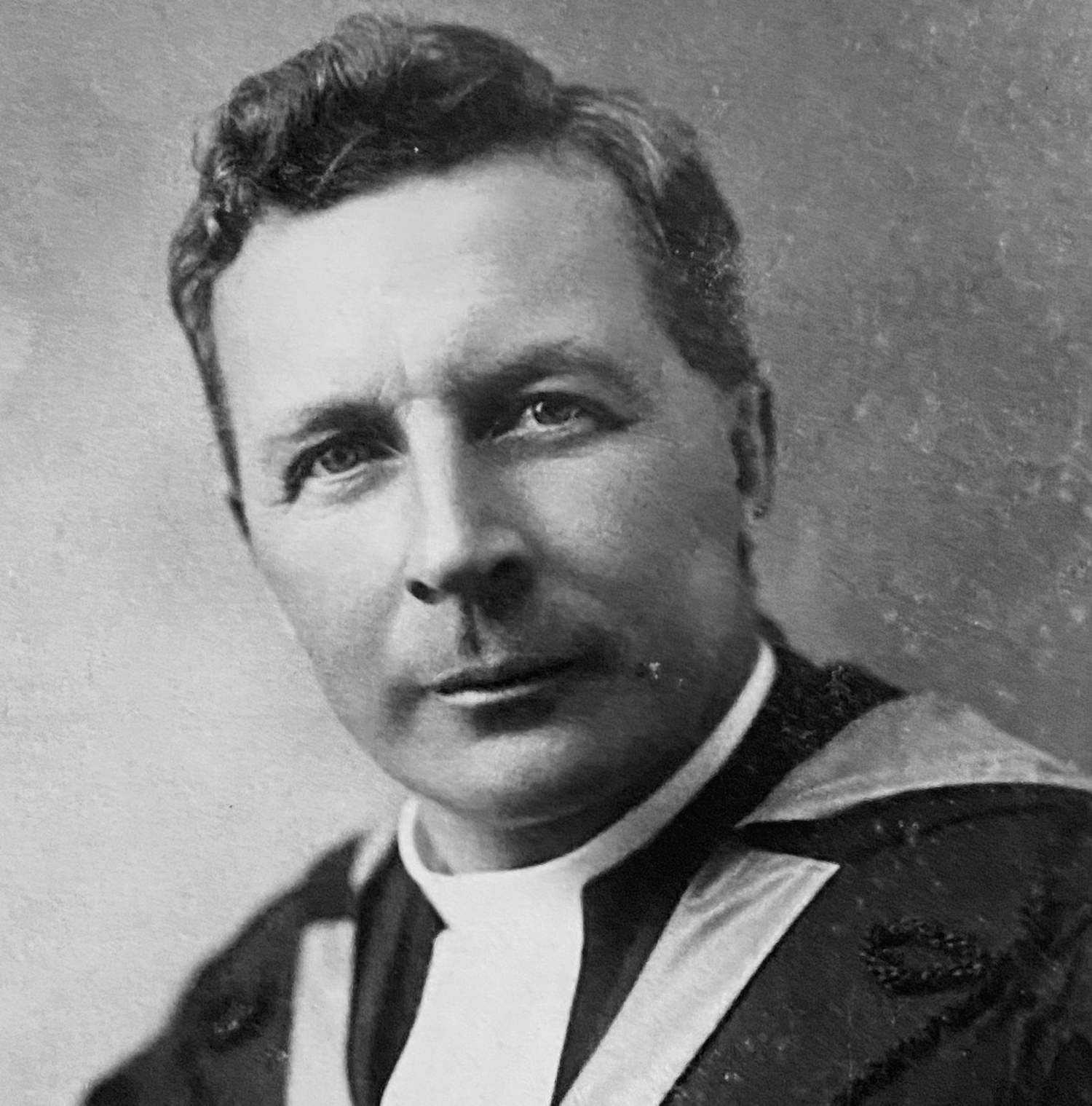
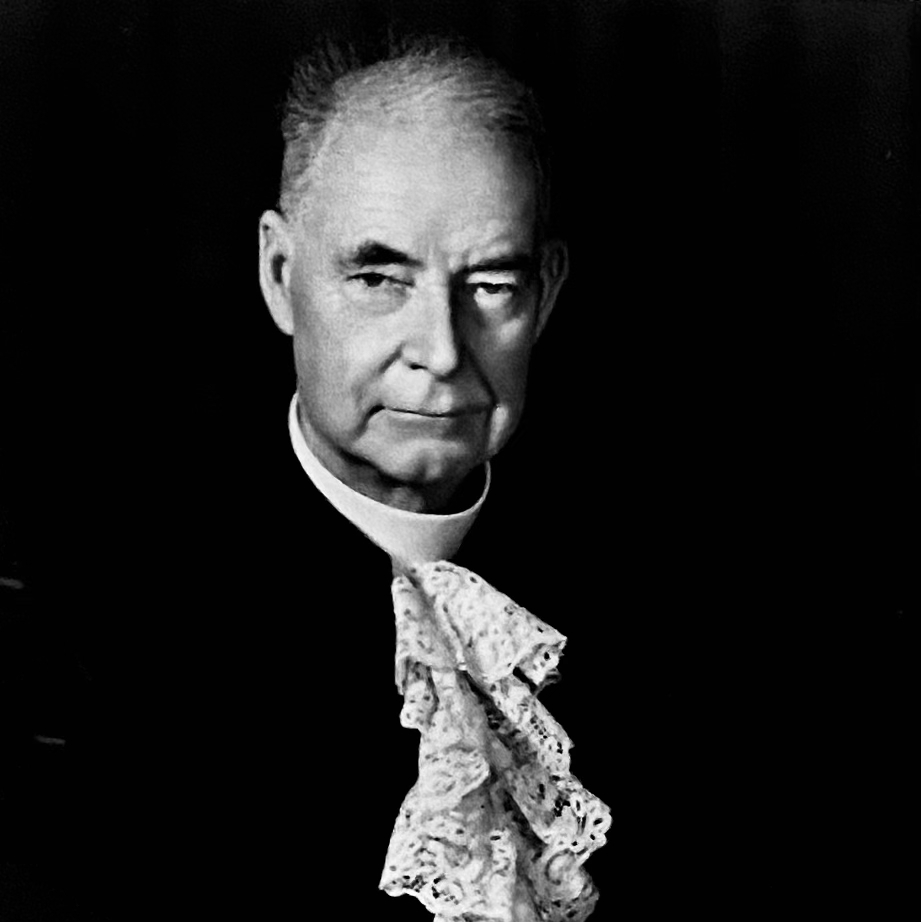
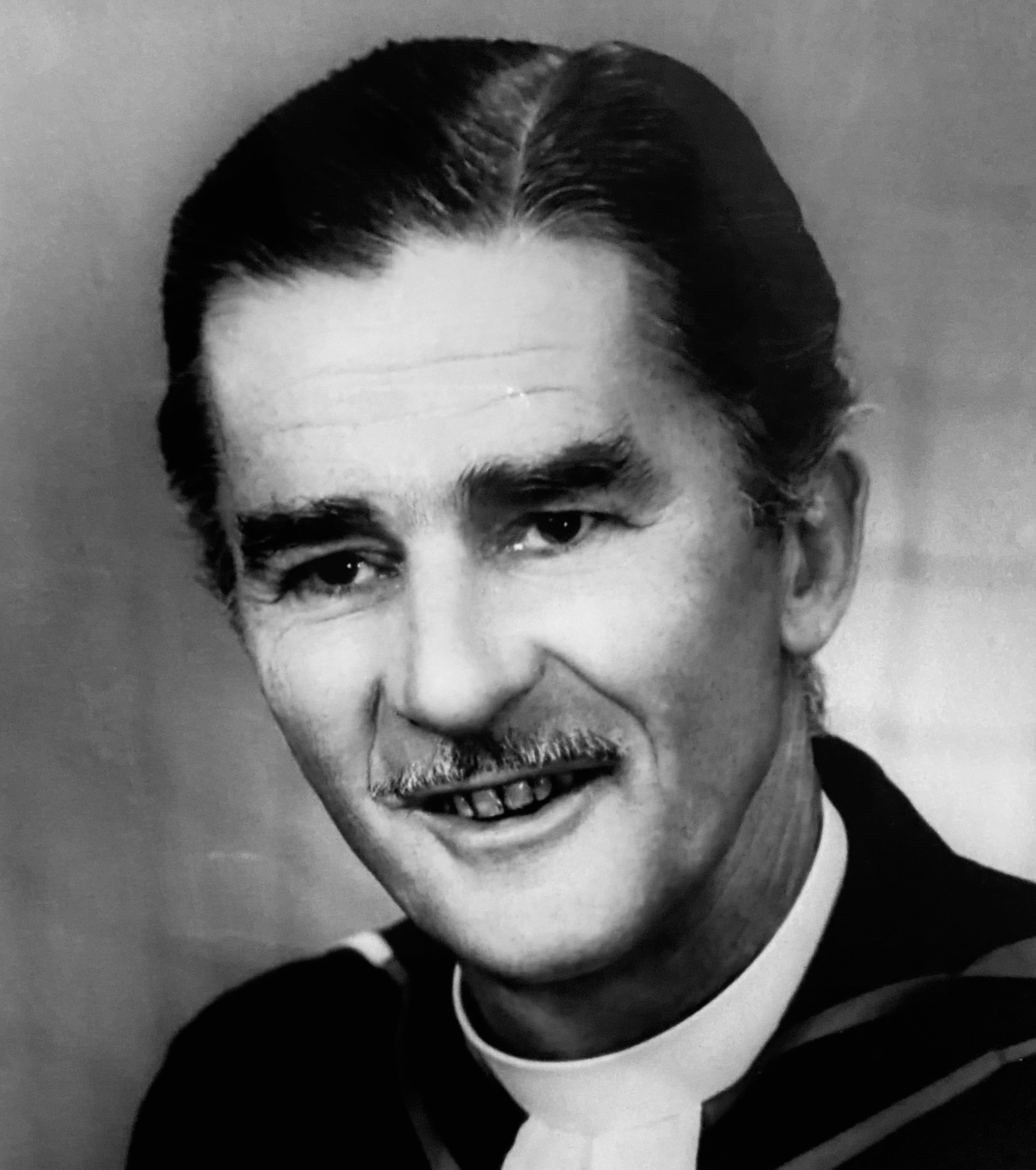
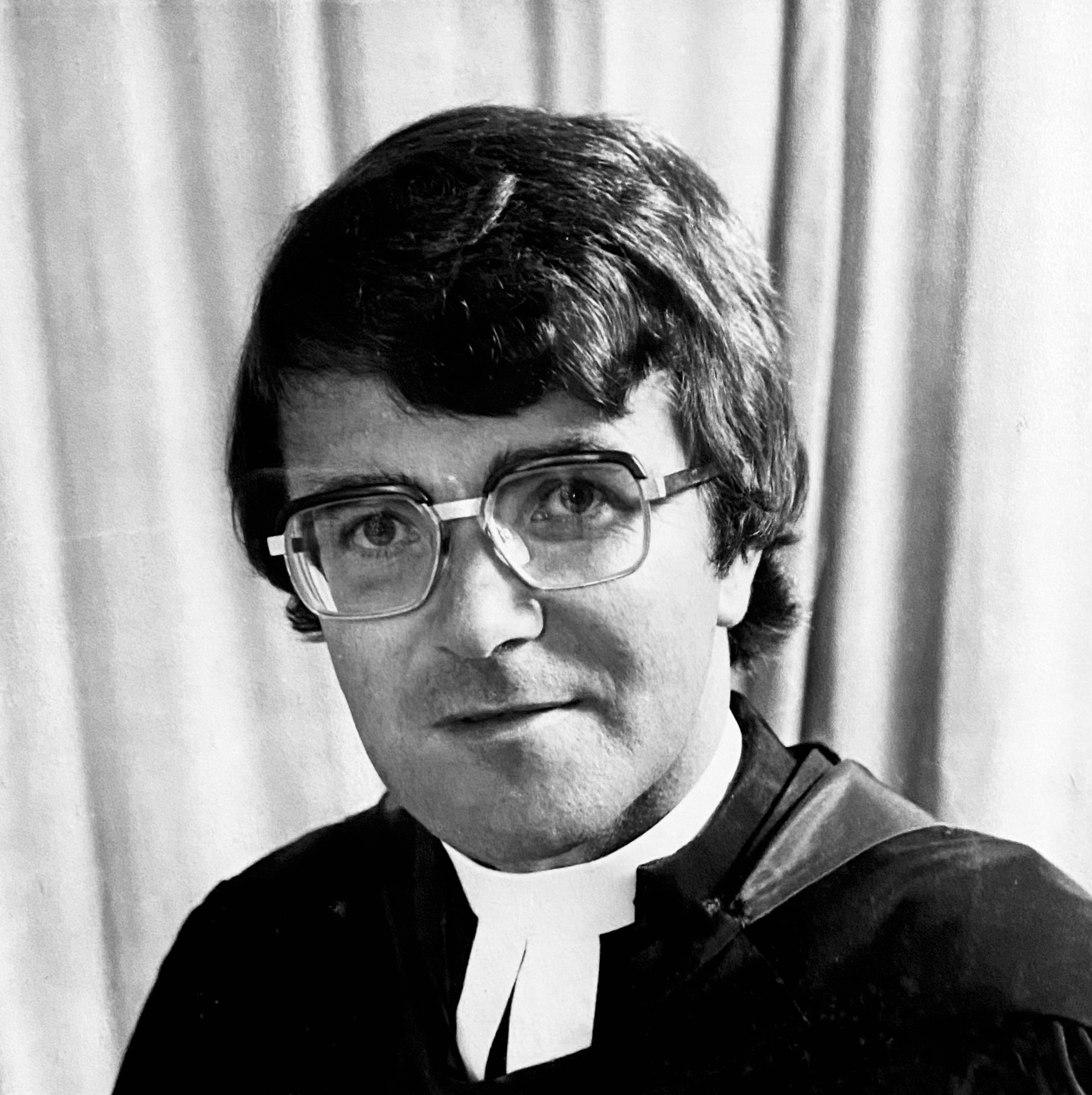
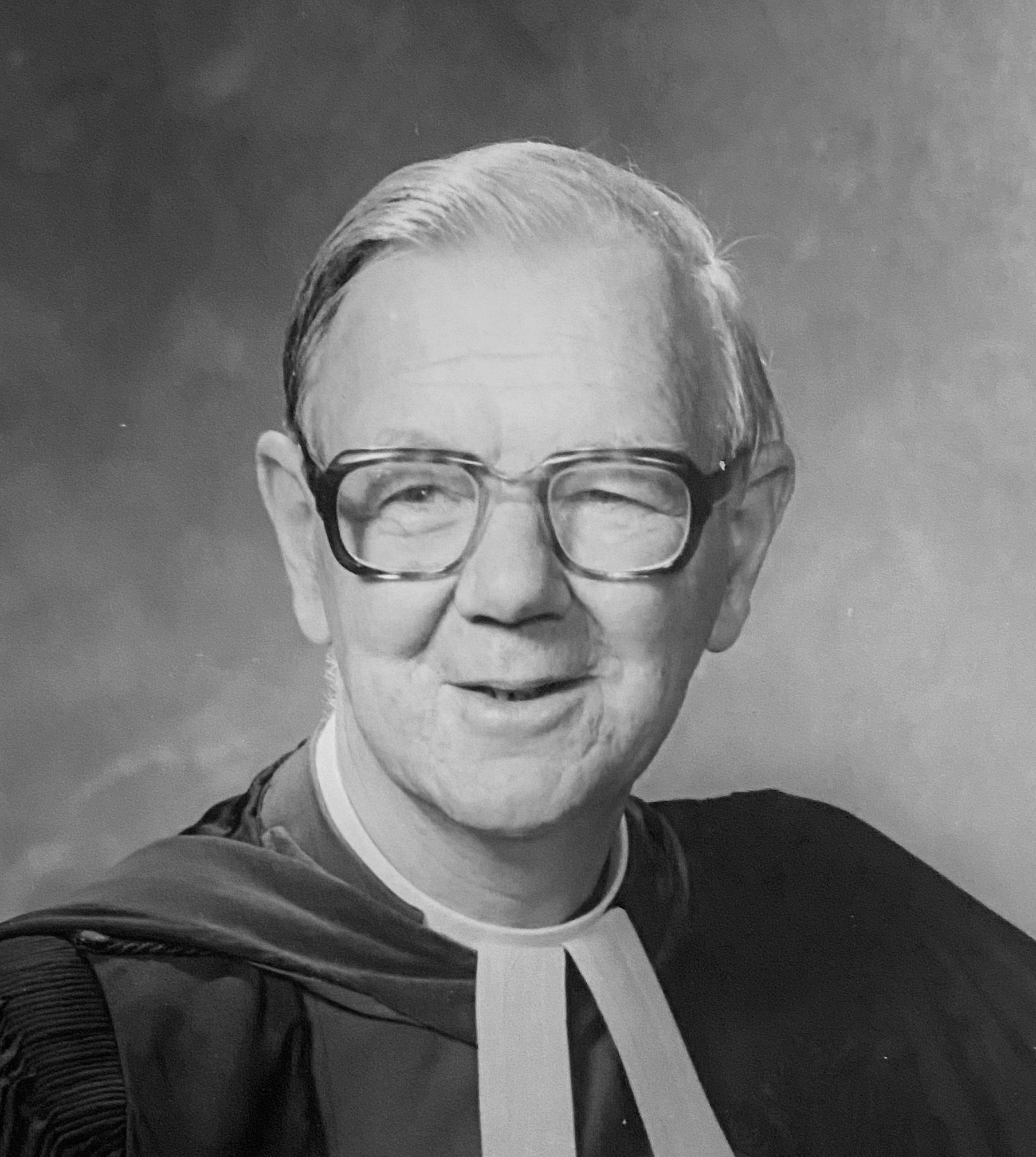
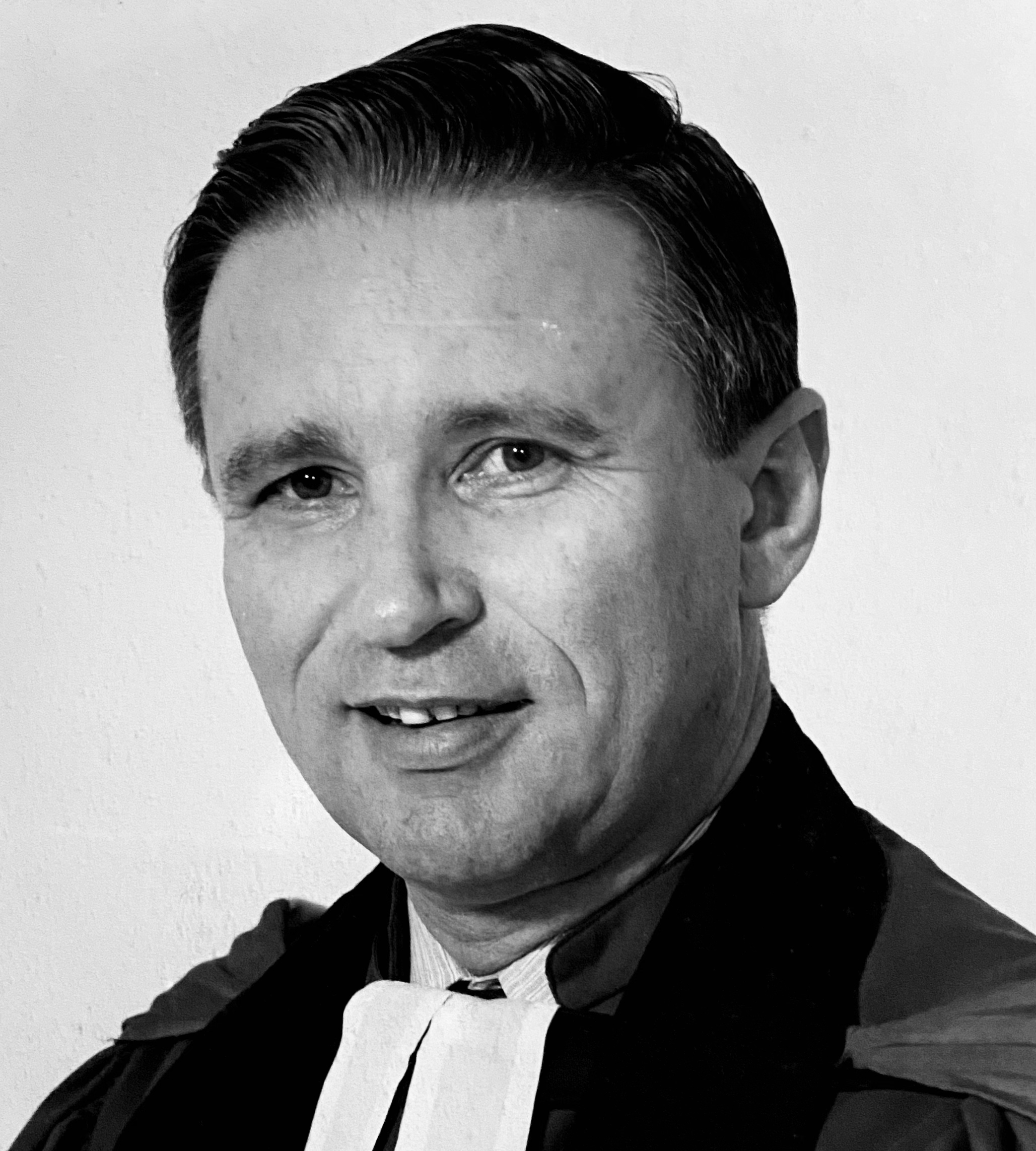
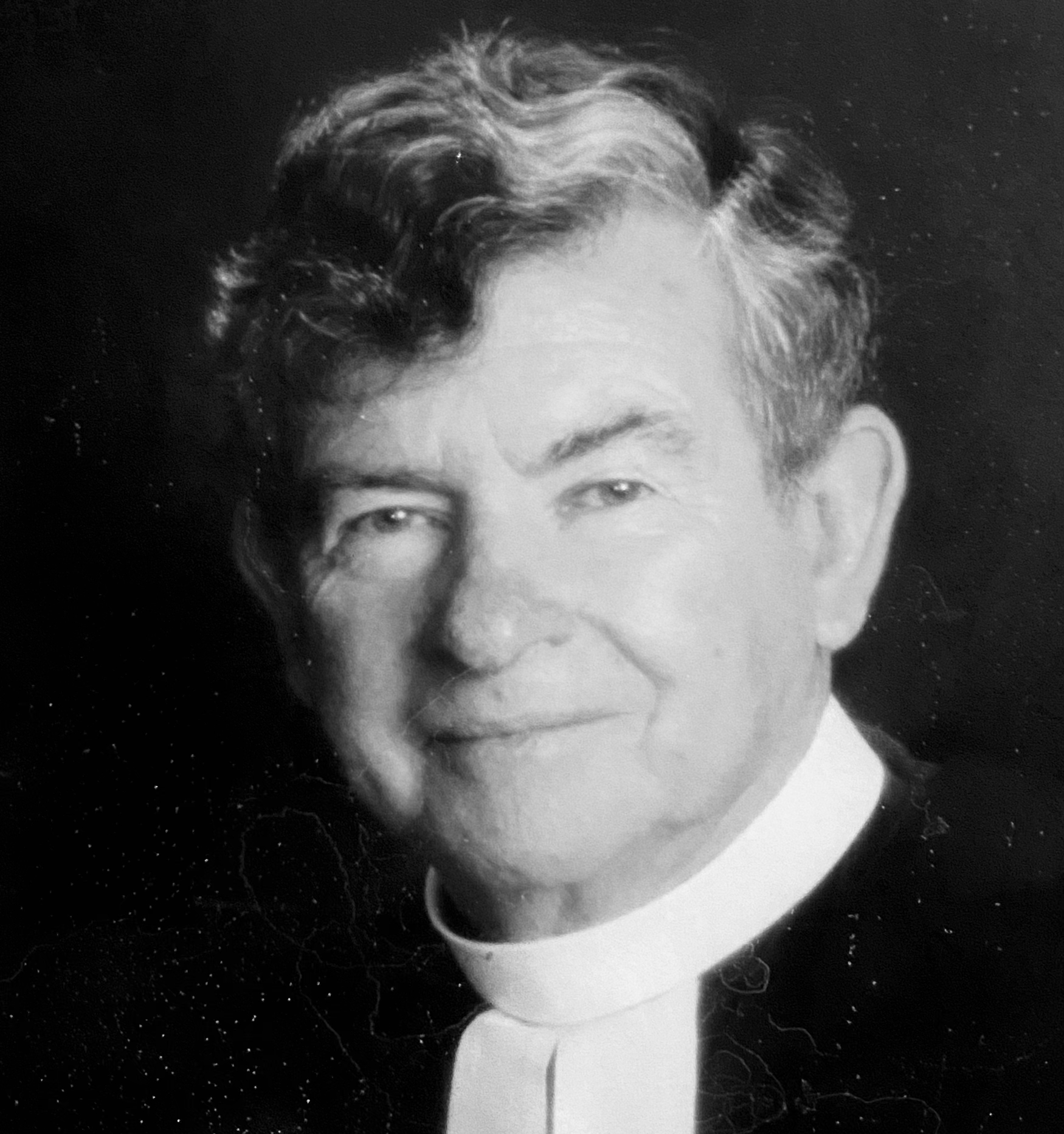
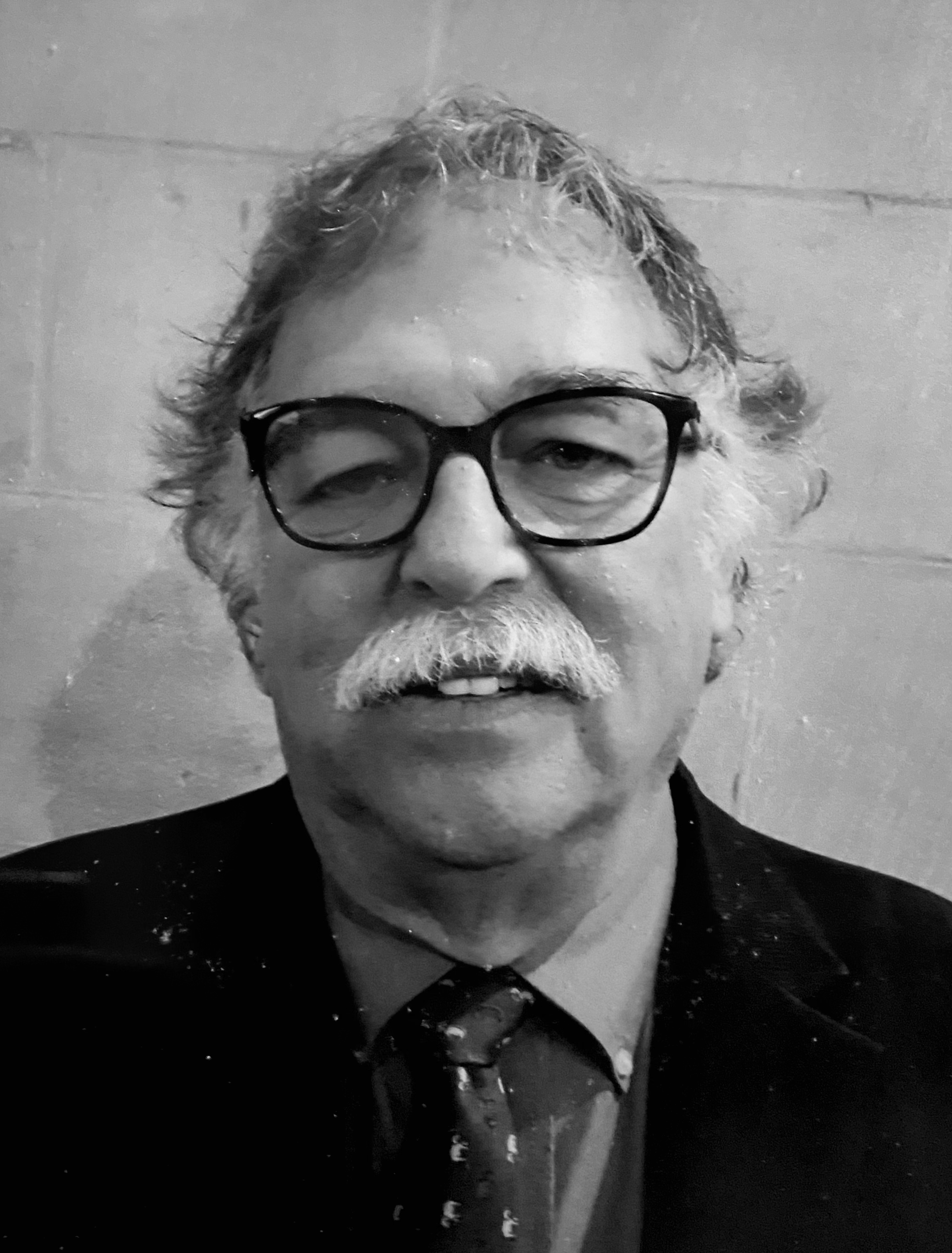
T.G Molyneux
1886-1889
J.Anderson Gardiner 1896-1911
Alex Simms
1912-1919
T. Jamieson Williams 1920-1931
Frank Hanlin
1942-1955
A.M. Stevenson
1932-1942
Jack Richardson
1956-1970
Donald Simson
1971-1976
James Reid
1977-1987
Stephen De Plater
1987-1994
Anthony Dunmore Lang 1995-2002
Derek Bullen 2002-2015
We are also grateful to God for a large number of other ministers who whilst not being inducted at St Andrews have helped out in significant ways during periods of vacancy and at other times.
The Original Church Building


The Organ
With its warm woodwork and imposing pipes, the organ was originally built in 1898 and installed at St Nicholas’ Congregational Church, Ipswich, England. It was brought to Australia and restored by the St Andrew’s congregation in 1977. You can find more information about our organ here.
More Recent Repairs
Over 100 years of wind blown sand and salt had taken its toll on this landmark of Manly. In 2004 work began on repairing and strengthening the bell tower. Financial assistance was received from the Federal Government to complete this vital task. The repairs were done by Jasper Swan.The work was completed early 2005 at the cost of $250,000 and a Thanksgiving Service was held to give thanks to God for the repair work, the skill of the craftsmen and the fact that the work was completed without any injuries.
The Church Hall has also had extensive repairs done to it. We have replaced the entire roof area with Replica French Tiles due to Heritage Requirements at the cost of $120,000. During the roofing of the Hall we have carried out extensive repairs to the inside of the hall. The Main Hall has now been painted and the Meeting Room has been painted and repaired. There was much damage due to water. The areas have been painted in Heritage Colours and is looking very fresh and clean. It was an expensive exercise but we give thanks to God for the wonderful stewardship at St. Andrew’s.
The Church Hall kitchen has just been renovated and looks really good. We gutted the kitchen and had a commercial kitchen installed. We are very grateful to Jim McIntosh and his dedicated work on this project. Without his support and guidance it would not have happened. The PWA raised the bulk of the money through their many events and much prayer. it was quite a job as it would be about 40 years or so since the last update. Much of the drainage had to be replaced. On Sunday 7th a Dedication and Thanksgiving Service was held.
Further Reading
Some details of the early days of our early church are on featured on pp. 70-71 of Lost Pipe Organs of Australia, A Pictorial Record (Although of course we dispute the fact that the organ was ever lost!)
For over 130 years, St Andrew’s has been a significant landmark in the Manly area. Construction of St Andrew’s commenced in 1886 and was completed in 1890. Built from local white sandstone, this beautiful Church, with its stately bell tower, rich outlines, guarded by strange sentinel gargoyles (we’re not that sure what they’re about either!), continues to attract visitors from Australia and overseas. The exterior of the Church exhibits a profusion of intricately carved sandstone decorations on column capitals, arches and piers. The medieval architecture is unusual and is undoubtedly one of the finest examples of Romanesque revival architecture in Australia. The Romanesque Revival Style with Celtic influence is rarely found in Australia, yet St Andrew’s exhibits all the hallmarks of this unique architectural design.
The Romanesque era dates from the late 10th Century until the 12th and 13th centuries, a mysterious time in church architecture. The style features rounded apses, fanciful carved beasts, bell towers, heavy walls, small windows and the use of open timber ceiling. It developed from earlier medieval architecture that prevailed in Western and Southern Europe.
The original front section of St Andrew’s is entered in the Register of National Estate and is classified by the National Trust of Australia (NSW), and stands as an example of architectural excellence. For this reason it provides the community both locally and at large with a paradigm representing their aspirations. The church is also listed on Manly Council’s Local Environment Plan as a building of heritage significance.
The Church was designed by Sir John Sulman, one of Australia’s most eminent architects of the post-Colonial era. Commissioned to design St Andrew’s in 1885, Sulman went on to become Chairman of the Federal Capital Advisory Committee from 1921 to 1925 and is credited for much of the town planning success of Canberra.
The Church was extended in 1961. In building the extensions, the modern craftsmen managed to reproduce almost perfectly the beautiful, original interior work.
