Our History
Beginnings
A preaching station was established at Manly by the Church Extension Committee of the General Assembly of the Presbyterian Church of NSW in 1884, with the first services being held at “Fernbank”, West Esplanade, the home of Charles Hadley Hayes, then Mayor of Manly. The Rev. Roger McKinnon of St Peter’s North Sydney conducted the first service at Oddfellows Hall near the corner of Raglan and Belgrave Streets on 16 November 1884. The Rev. T.G. Molyneux was then sent to establish a congregation in Manly, preaching at the Oddfellows Hall from 23 November 1884. On 26 October 1885, Manly was raised to the status of a sanctioned charge and the Rev. T.G. Molyneux was inducted as the first Minister. The Interim Session consisted of the Rev. John Miller Ross, Mr Alexander Dean and the famous philanthropist Colonel John Hay Goodlet.
Subsequent History
Notable contributions have been made to the congregation by many others, among them Mr R.S. Robertson, Elder and Session Clerk 1906-35; J.A. Paterson, Elder 1895-1951 and Sunday School Superintendent for 46 years; J.M. Paxton, Elder 1894-1950s; H J. Meldrum, Elder 1916-1950s, Session Clerk 1935-45; W.J. McGaw and Mrs McGaw, who gave the land for the manse and financed the first organ; Miss Alice Bryant was the organist for over 60 years. Between the 1920s and 1950s, Manly was the parent church of charges at North Balgowlah, Harbord-North Manly, Narrabeen and Dee Why. The peak communicant membership of our church reached 600 in the 1960s, with a Sunday School enrolment of 270. In 1977, when most of the Presbyterian Church of Australia merged with Congregationalists and Methodists to form the Uniting Church, Manly congregation had voted to remain in the continuing Presbyterian Church.
Our Ministers
There have been thirteen inducted ministers in our Church’s long history, since the first minister, Rev. T.G. Molyneux, was called to St Andrew’s in 1886.


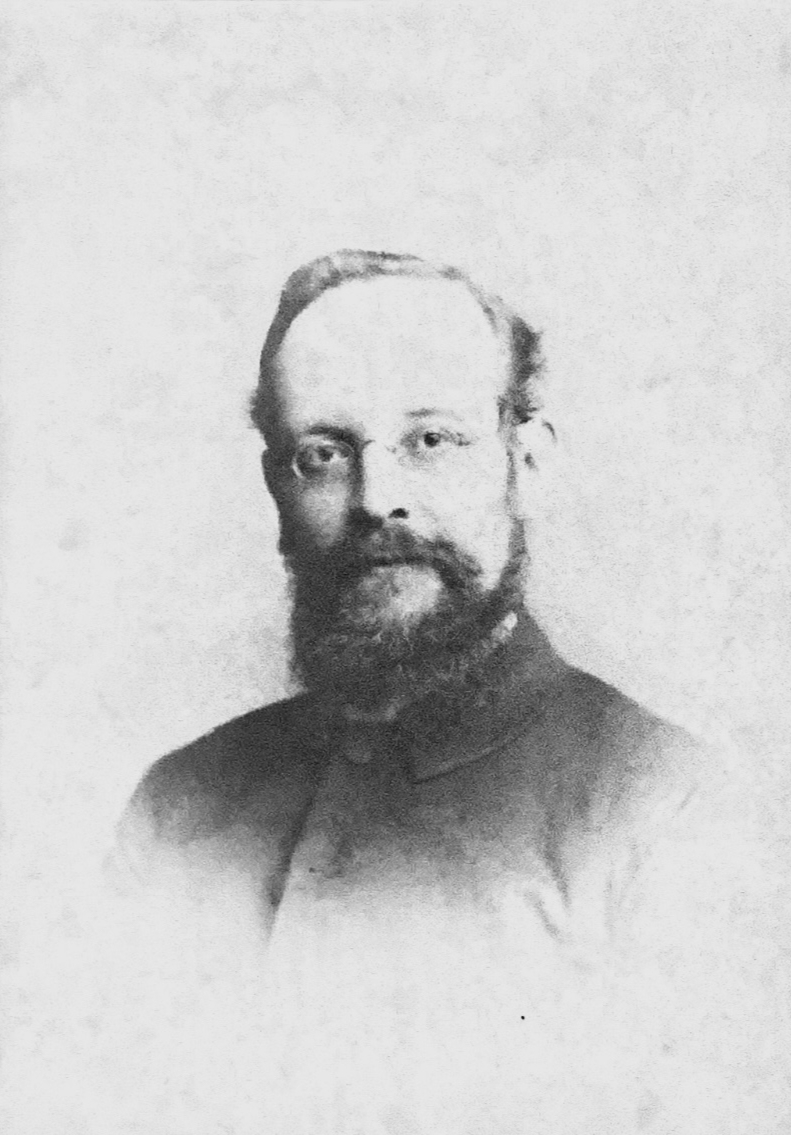
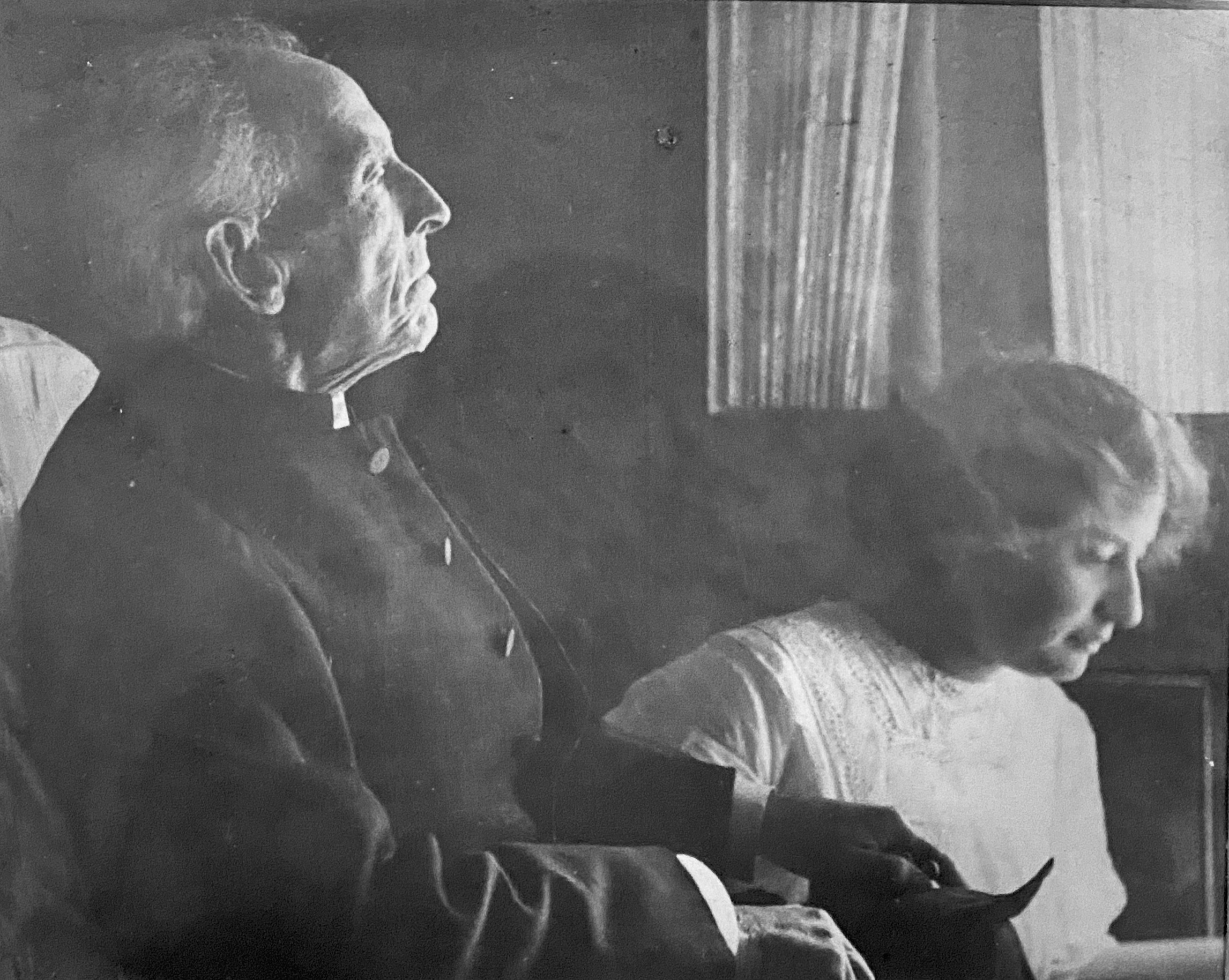
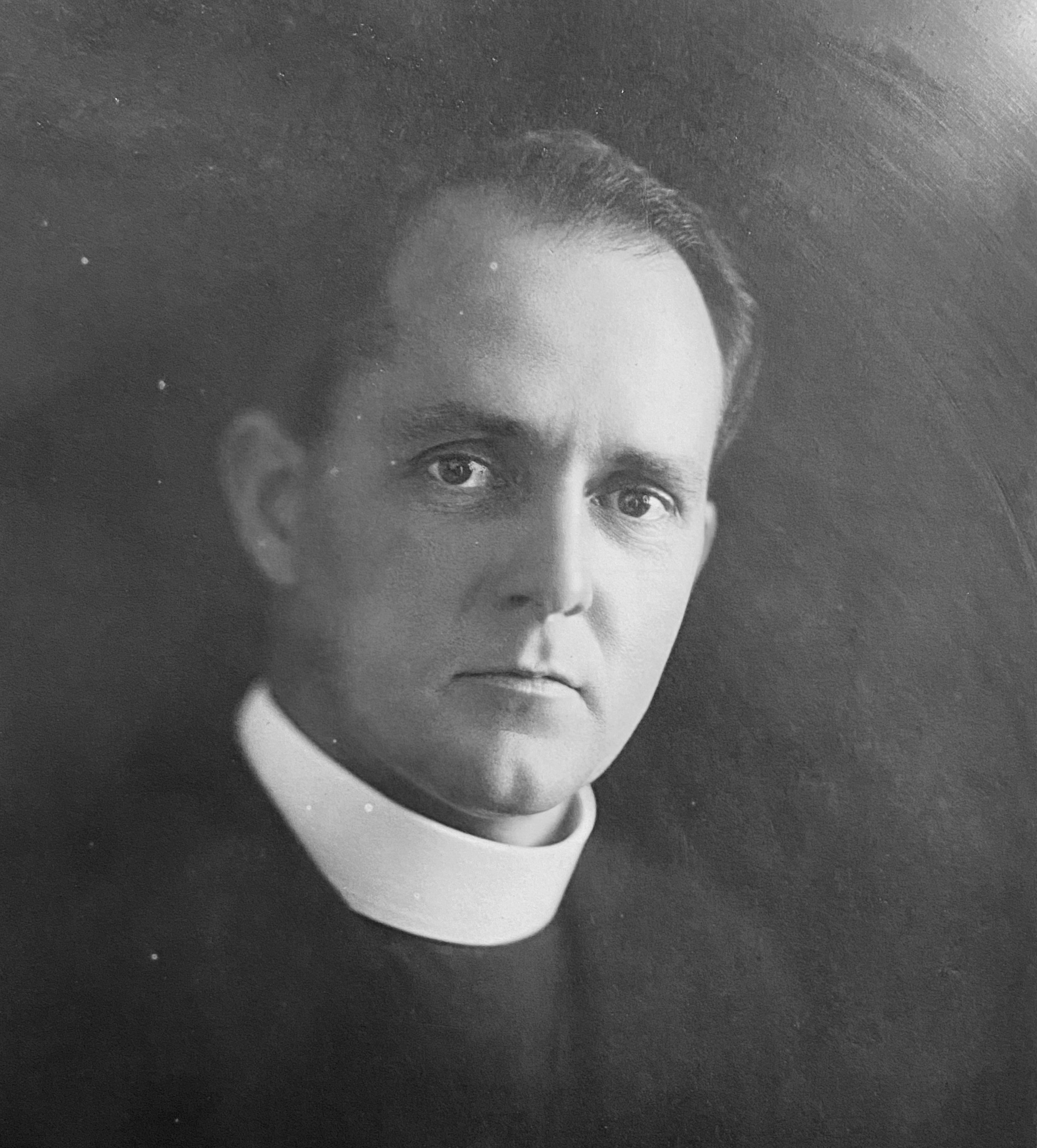
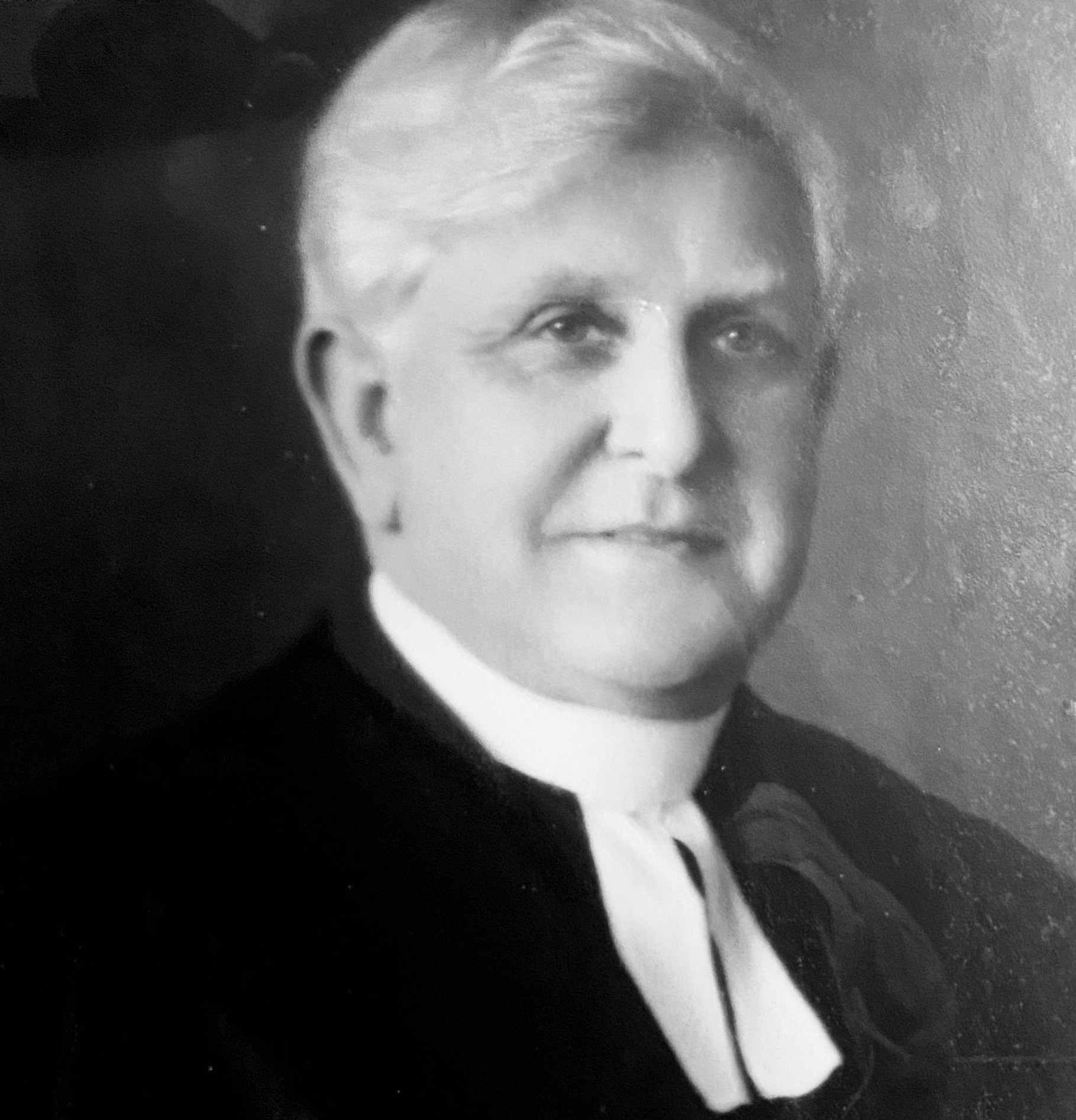
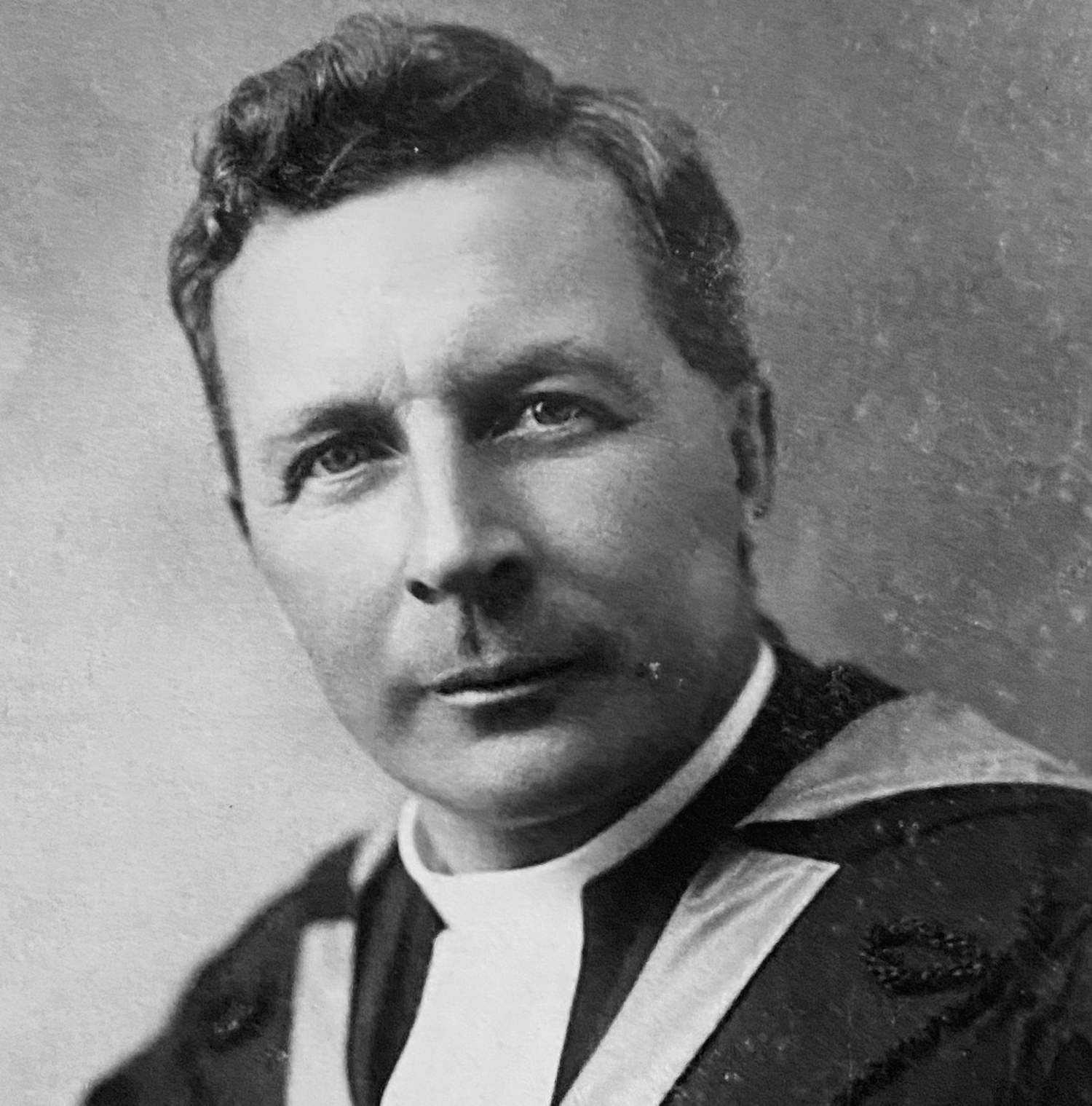
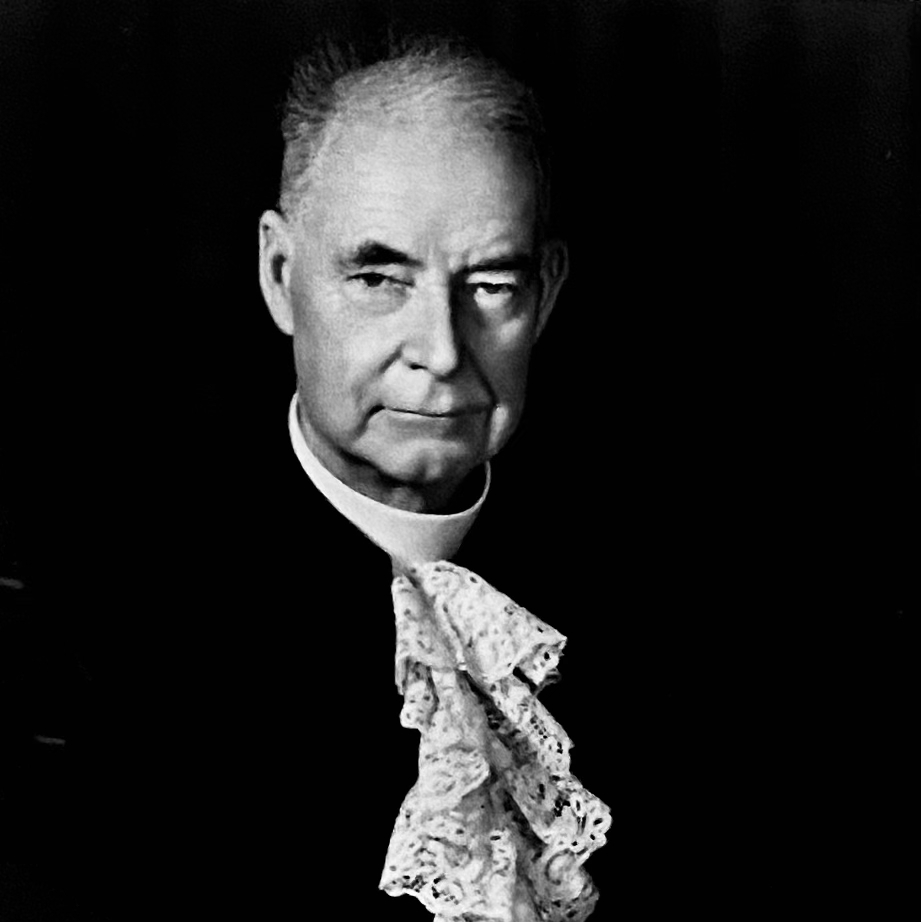
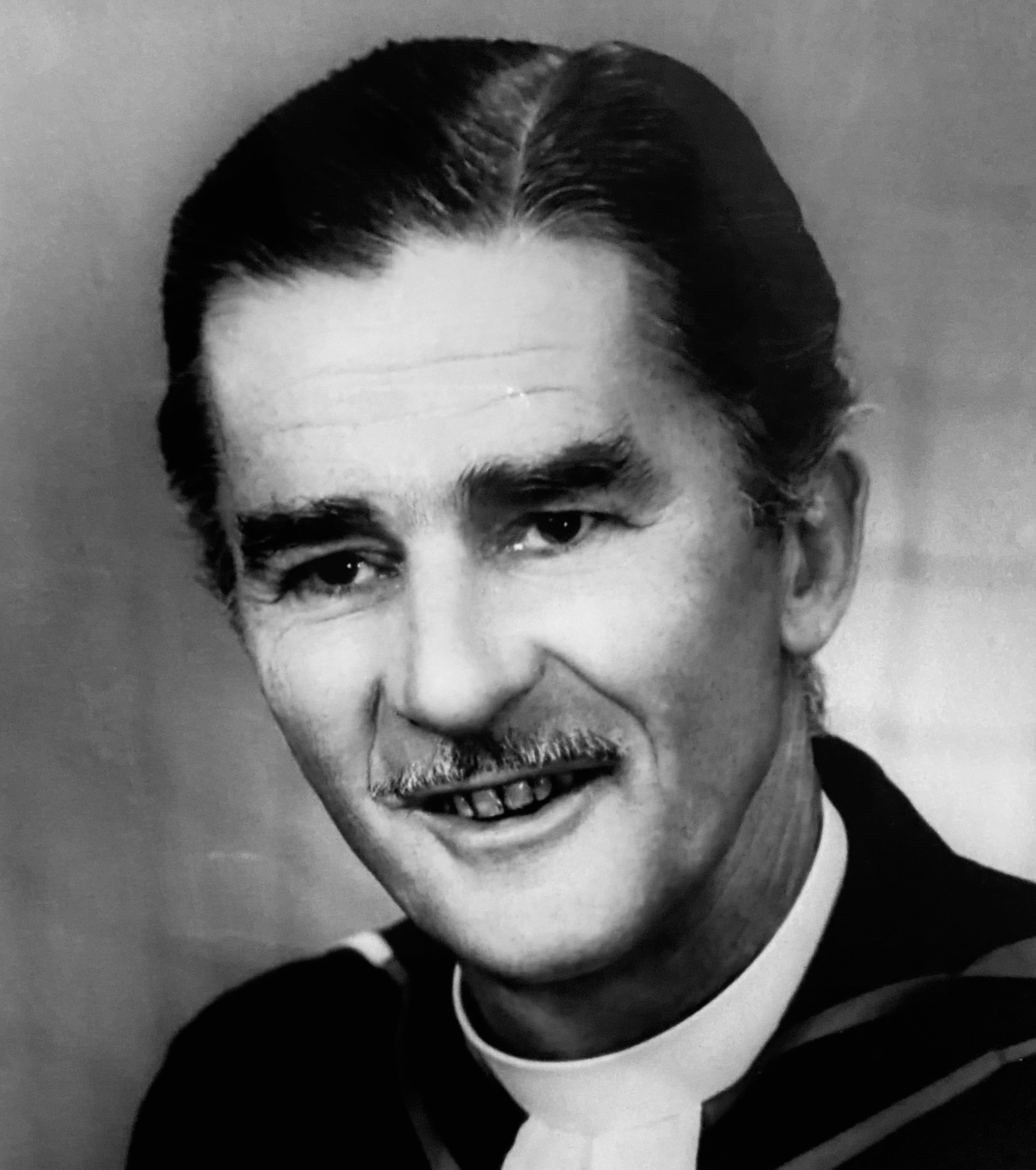
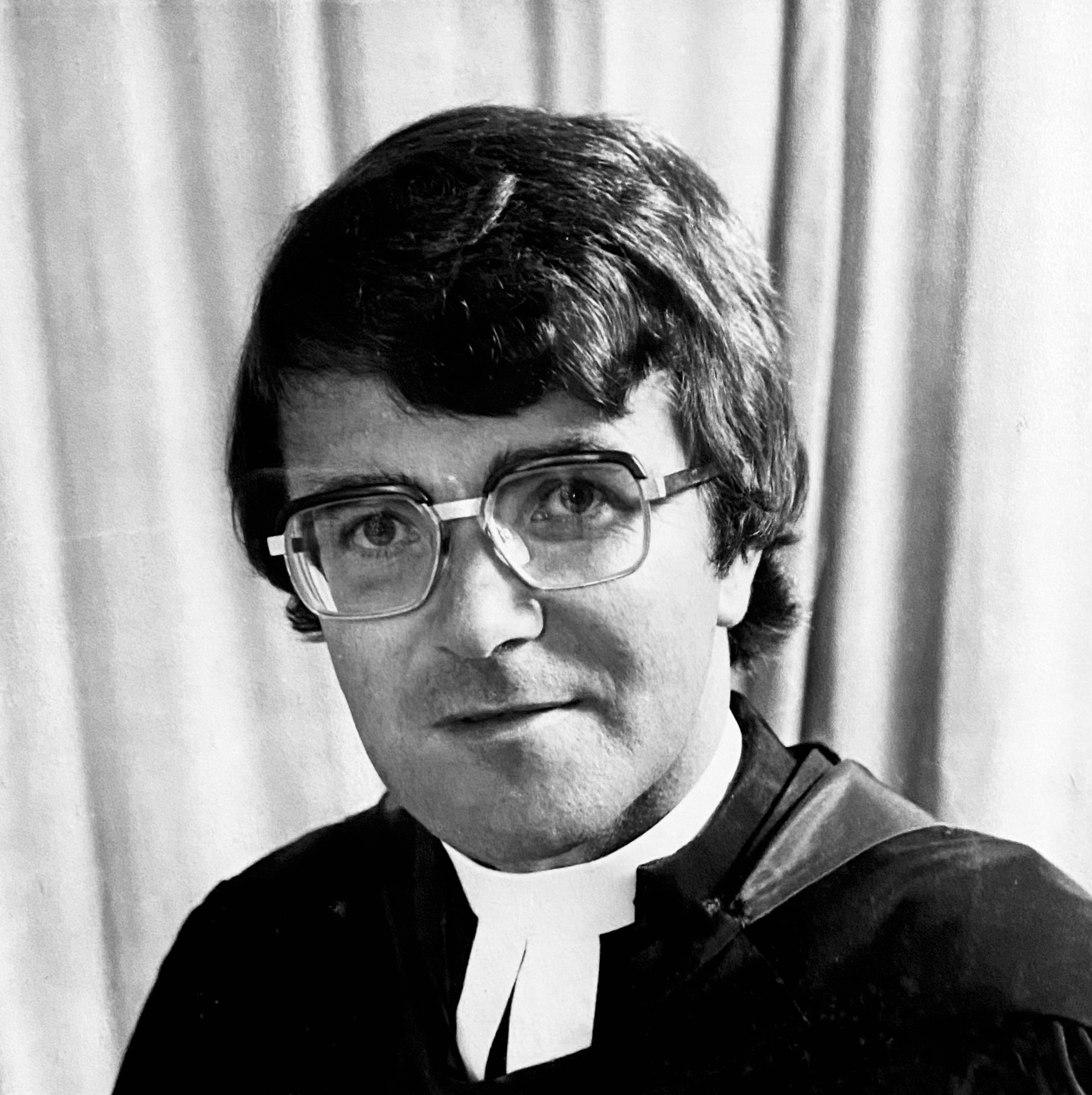
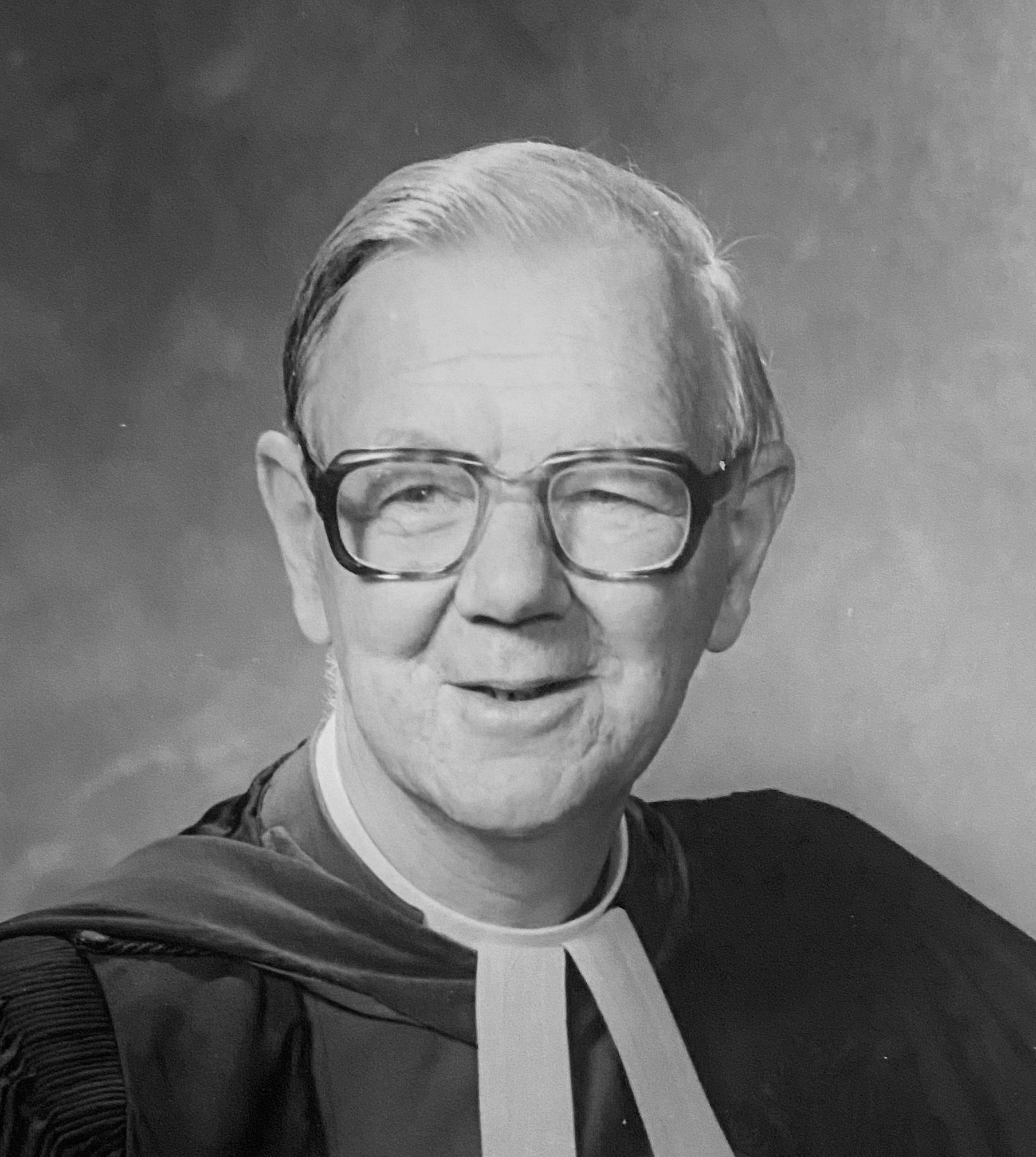
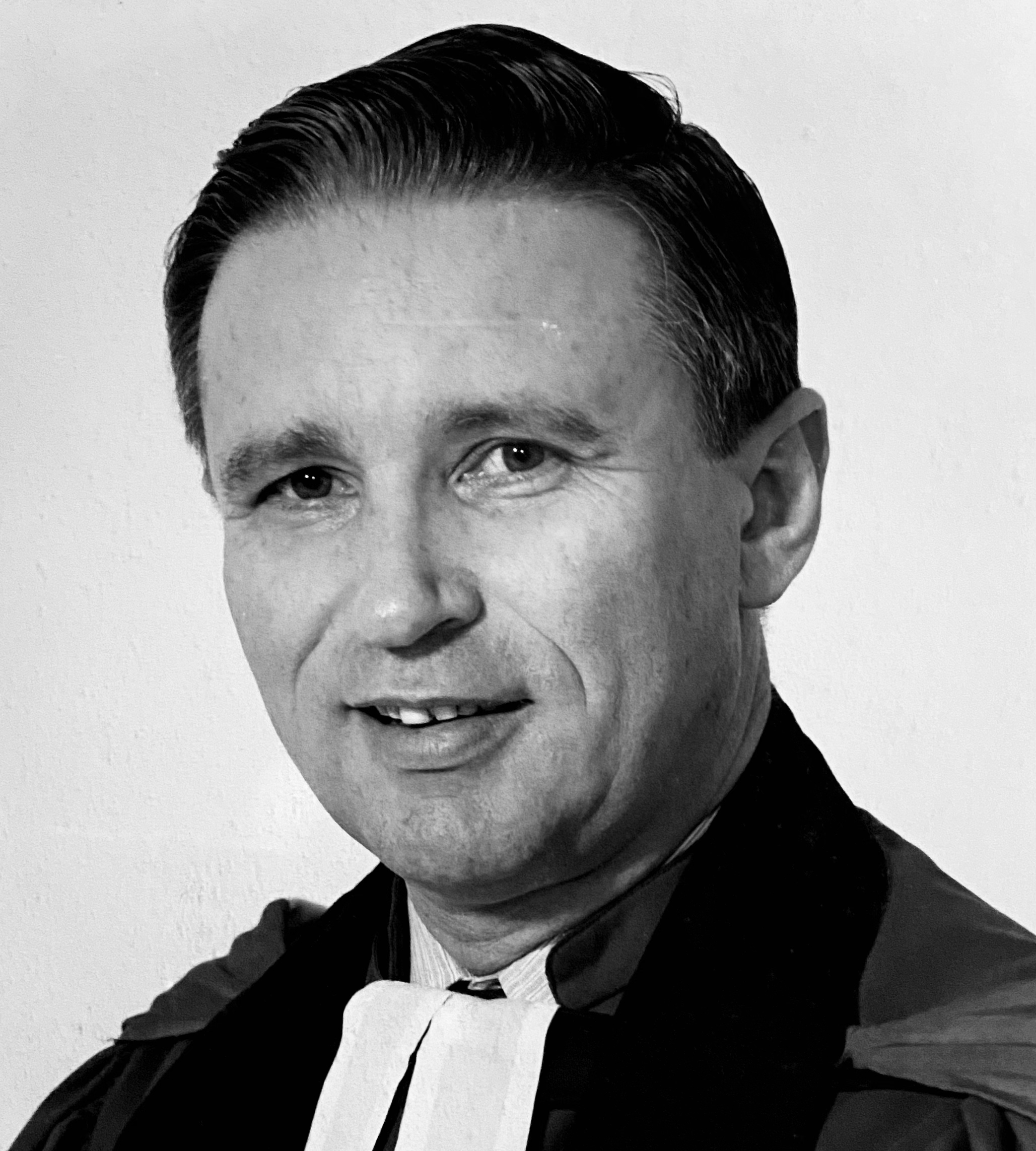
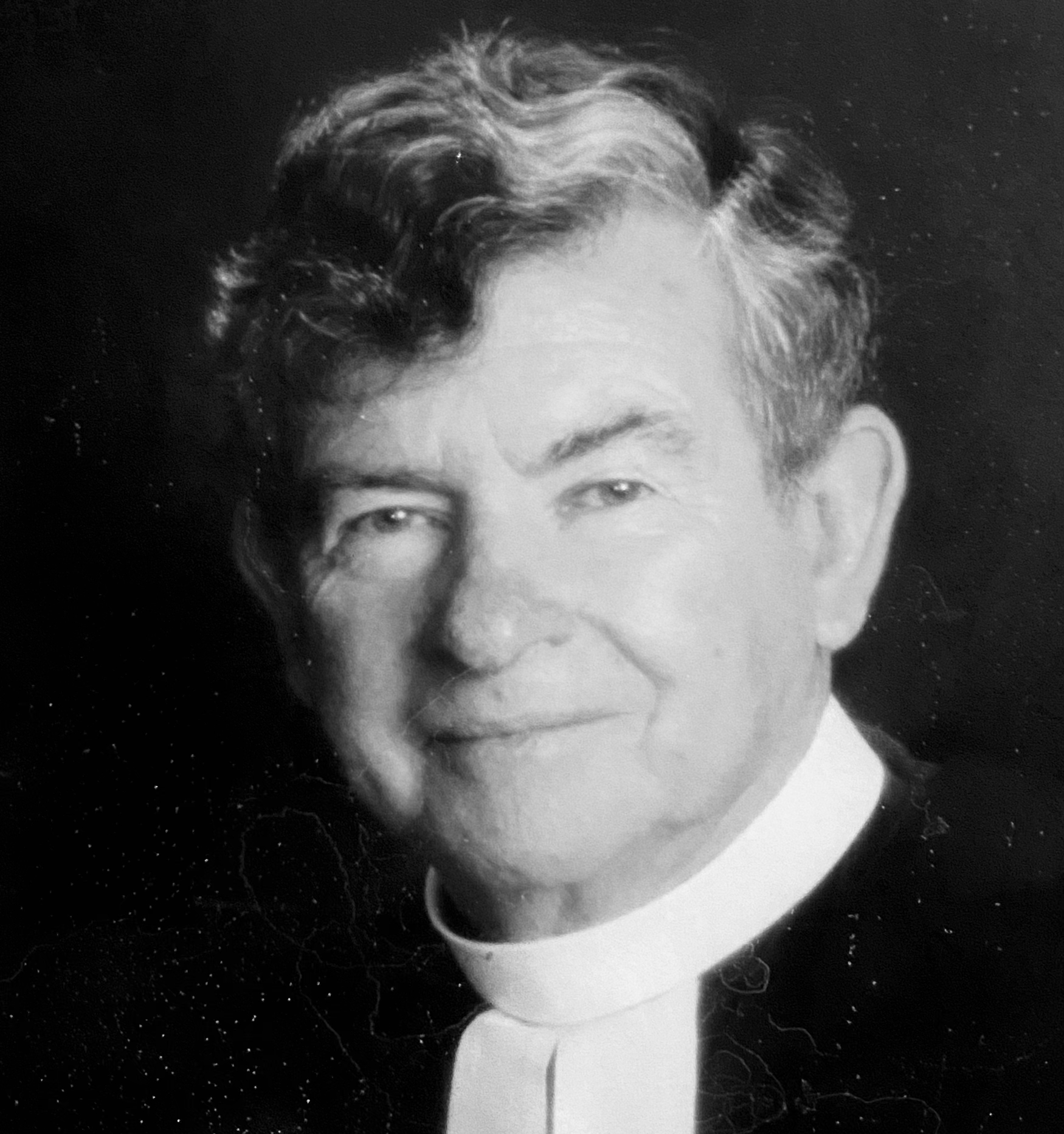
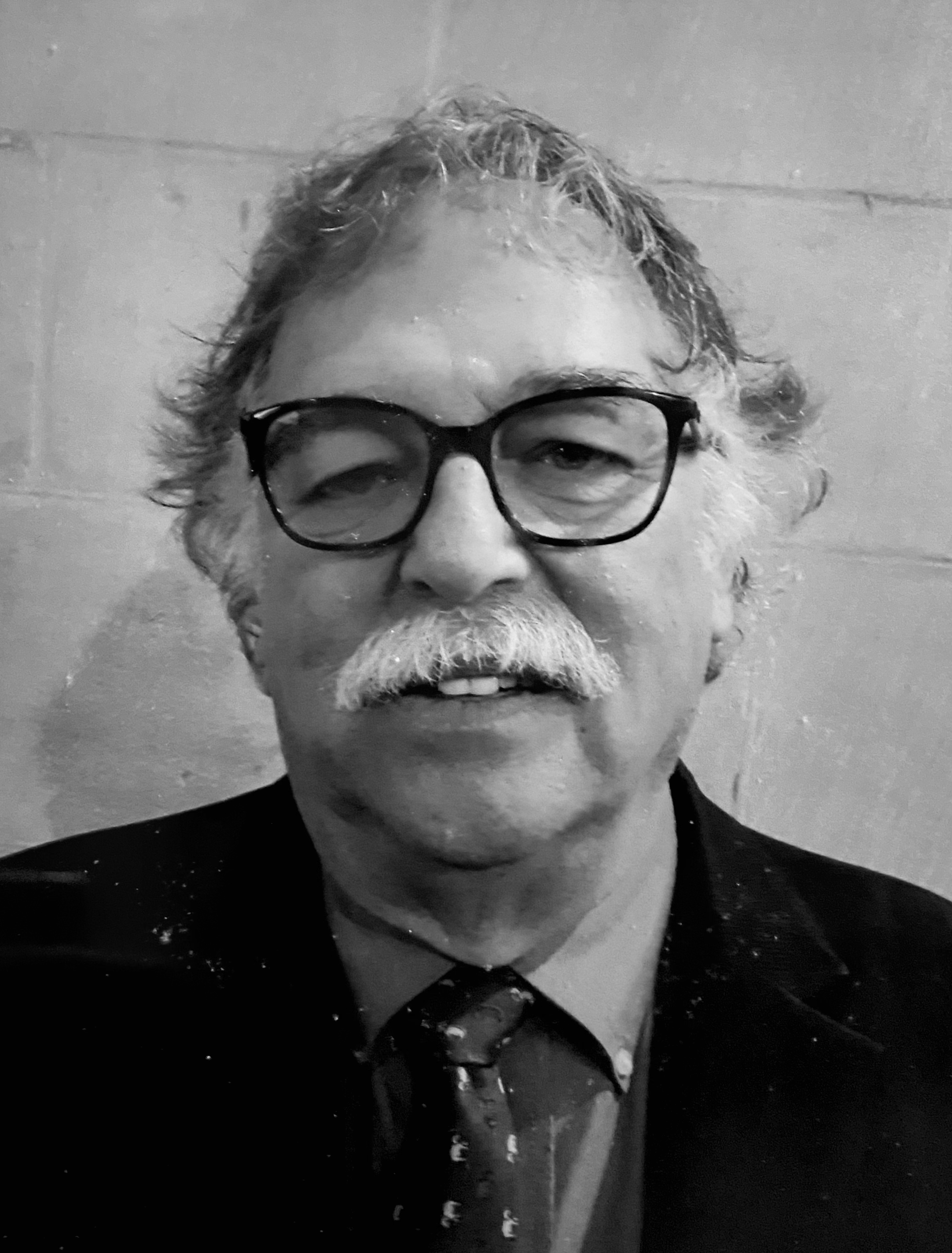
T.G Molyneux
1885-1895
J.Anderson Gardiner 1896-1911
Alex Simms
1912-1919
T. Jamieson Williams 1920-1931
Frank Hanlin
1942-1955
A.M. Stevenson
1932-1942
Jack Richardson
1956-1970
Donald Simpson
1971-1976
James Reid
1977-1987
Stephen De Plater
1987-1994
Anthony Dunmore Lang 1995-2002
Derek Bullen
2002-2015
We are also grateful to God for a large number of other ministers who whilst not being inducted at St Andrews have helped out in significant ways during periods of vacancy and at other times.
The Church's Buildings


The Organ
The first organ was installed in 1892. It was an exceedingly fine instrument which was enlarged and rebuilt in 1923, 1930 and 1962. It was replaced in 1977, when the present Conacher organ was brought to Australia and restored by the St Andrew’s congregation. It was originally built in 1898 and installed at St Nicholas’ Congregational Church, Ipswich, England. If you would like more information about our organ please click here.
Further Reading
The First Hundred Years 1884-1984 (St Andrew’s Presbyterian Church Manly)
The Windows Speak (St Andrew’s Presbyterian Church Manly)
Some details of the early days of our early church are on featured on pp. 70-71 of Lost Pipe Organs of Australia, A Pictorial Record (Although of course we dispute the fact that the organ was ever lost!)
The Church in Raglan Street has been a significant landmark in the Manly area for over 135 years. It was erected on a site exchanged for one gifted by Mr H.G. Smith. The church building was designed by Sir John Sulman, one of Australia’s most eminent architects of the era. The foundation stone was laid on 13 April 1889 and the church was opened in April 1890. The name of “St Andrew’s” for the Manly church building became official in 1943, although the associated St Andrew’s Grammar School had used the name from 1934.
Built from local white sandstone, this beautiful Church is undoubtedly one of the finest examples of Romanesque revival architecture in Australia and probably unique in combining Romanesque revival style with Celtic influence. The original front section of St Andrew’s is entered in the Register of National Estate and is classified by the National Trust of Australia (NSW). The Church was extended at the front in 1961, in keeping with the original plans and consistent in style.
The manse was built in 1891 and in 1906 a school hall was built between the church and manse. Over 100 years of wind-blown sand and salt took their toll on our historic buildings, so in 2004 and 2005, $250,000 was spent on repairing and strengthening the bell tower (with some assistance from the Federal Government) and $120,000 spent on extensive repairs and refurbishment of Church Hall (the bulk of the money raised by the PWA), including drainage and roofing, interior painting and installation of a commercial kitchen.
